Born to Play Baseball Forced to School
As an embroidery designer and product reviewer, I’ve evaluated countless machine embroidery designs. Born to Play Baseball Forced to School caught my attention not just for its theme, but for how it translates into real-world projects. This design is ideal for custom apparel, baby items, and personalized gifts, but it requires thoughtful application to ensure the final product meets expectations.
First Impressions: A Design That Speaks to a Passionate Audience
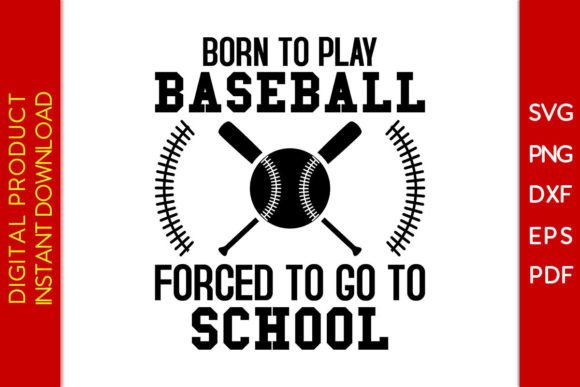
The first thing that stands out about Born to Play Baseball Forced to School is its clear, bold visual identity. The design centers around a baseball motif with a playful twist, combining the imagery of a child playing baseball with the idea of being "forced to school." It’s a clever mix of humor and nostalgia, perfect for parents who want to create something meaningful for their kids or for those targeting sports enthusiasts.
The layout is clean and balanced, making it easy to adapt to different project types. The shapes are well-defined, and the detail level is sufficient for most embroidery applications without becoming overwhelming. This makes it a strong candidate for t-shirt designs, sweatshirt embroidery, and even applique projects where simplicity and clarity matter.
Real-World Use: Where This Design Shines
Born to Play Baseball Forced to School works best on flat, stable surfaces like t-shirts, tote bags, and sweatshirts. Its size and structure make it ideal for medium-sized hoops, which is great for most home embroidery machines. When applied to these items, the design maintains its visual integrity, offering a professional look that can elevate handmade products or small shop merchandise.
This design also has potential in baby items, such as onesies or nursery decor. The playful nature of the design fits well with the target audience, and its simplicity ensures it won’t get lost in smaller details. For Etsy sellers or craft business owners, this could be a valuable addition to a collection of children’s apparel or personalized gifts.
It also pairs well with other design assets, such as printable mockups or digital embroidery files. As a graphics file, it can be used to create cohesive branding for a boutique or small shop, especially if the focus is on sports-themed or family-oriented products.
Where to Be Cautious: Limitations and Considerations
While Born to Play Baseball Forced to School is versatile, there are situations where it may not perform as expected. For example, using it on small hoop sizes might require resizing or simplifying parts of the design, which could affect the overall look. Similarly, on textured fabrics or thin materials, the stitch density and stabilizer use become critical to prevent distortion or puckering.
On dark fabrics, the contrast between the design and the background matters. If the design uses light thread colors, it may not stand out as intended. Testing it on both light and dark backgrounds is essential before committing to a project. For layered garments or curved surfaces like caps, the design might need adjustment to ensure proper placement and visibility.
Another consideration is the presence of intricate details or tiny lettering. If the design includes elements that are too fine for standard embroidery machines, they may not come through clearly. Always test the design on scrap fabric first to evaluate how it looks after stitching.
Impact on Visual Appeal and Customer Perception
When executed properly, Born to Play Baseball Forced to School adds a unique touch to any finished product. It enhances the visual appeal of custom apparel, making it more attractive to buyers looking for personalized gifts or handmade items. The design’s clarity and style contribute to a sense of professionalism, which is crucial for small business owners and Etsy sellers aiming to build trust with their customers.
It also improves the giftability of a product. Parents or sports fans may appreciate the sentiment behind the design, making it a thoughtful choice for holiday gifts or special occasions. For commercial embroidery projects, this design can help differentiate a brand from competitors, especially when used consistently across multiple products.
Practical Designer Notes: Key Tips for Success
Before using Born to Play Baseball Forced to School in your projects, there are several steps you should take. First, test the design on scrap fabric to see how it looks after stitching. Pay close attention to the thread color contrast and whether the design remains clear and legible.
Review the stitch density to ensure it’s appropriate for the fabric type you’re using. If the design is dense, consider adding extra stabilizer to prevent puckering or distortion. Check the hoop size required for the design and make sure your machine can accommodate it. If not, you may need to adjust the design or split it into sections.
Inspect small details, such as corners or lettering, to ensure they hold up under stitching. Test the design in black and white mockups to see how it appears without color. Compare it on light and dark fabric backgrounds to determine the best thread colors for your project.
Finally, confirm whether the design is suitable for both personal and commercial use. If you plan to sell finished items or digital products, check the licensing terms to avoid any legal issues. This is especially important for Etsy sellers or small shop owners who rely on original, legally compliant designs.
Conclusion: A Versatile Design with Clear Potential
Born to Play Baseball Forced to School is a design that offers both charm and practicality. While it has limitations in certain applications, it shines in areas like custom apparel, baby items, and personalized gifts. With careful planning and testing, it can be a valuable addition to any embroidery project or craft business.